Chinese Humanoid Robot Tiangong Ultra Beats Usain Bolt's 100-Meter Time With 9.39-Second Sprint

A humanoid robot has posted a faster 100-meter time than Usain Bolt's famous 9.58-second world record. At a preliminary heat of the World Humanoid Robot Games in Beijing on Saturday, Tiangong Ultra, built by the Beijing Humanoid Robot Innovation Center, completed the sprint in 9.39 seconds. Honor's own humanoid, Lightning, followed closely at 9.47 seconds.
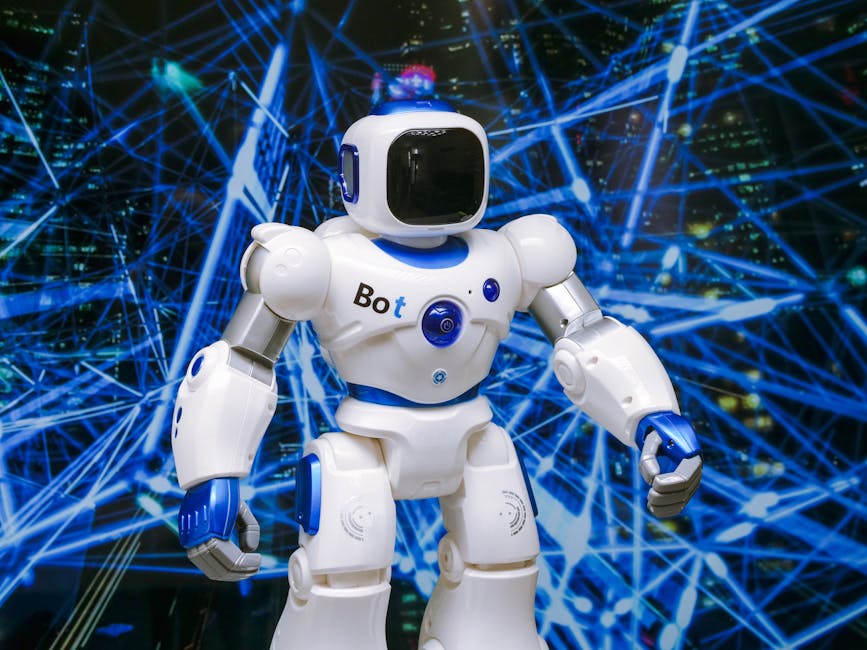
What Happened
The result came out of a qualifying round, not a final, at an event specifically designed to test humanoid robots across athletic-style categories. Tiangong Ultra's 9.39-second run and Lightning's 9.47-second run both undercut Bolt's 2009 record set at the World Championships in Berlin, a mark that has stood in human athletics for over 15 years.
It's worth being precise about what this comparison actually means. These are robots running on a track built for the competition, timed under the games' own rules rather than IAAF regulations. Bipedal robots also move very differently from human sprinters — their speed depends on motor torque in the leg joints, center-of-mass control, and battery output rather than muscle power and stride mechanics. So this isn't an official athletics record being broken; it's a robotics benchmark being set.
Context: How Fast Humanoid Robots Have Actually Been
Until recently, most publicly demonstrated humanoid robots — including well-known platforms from companies like Boston Dynamics and Tesla — topped out at walking or slow jogging speeds, generally well under human sprinting pace. A sub-9.5-second 100-meter time from a bipedal robot marks a sharp jump from where the field stood just a couple of years ago.
The World Humanoid Robot Games itself is part of a broader push in China to showcase humanoid robotics as a national industrial priority, with multiple companies and research centers fielding competing platforms rather than a single flagship robot. Honor's involvement is notable here too — a company primarily known for smartphones entering humanoid robot competition signals how widely the technology is being pursued outside of dedicated robotics firms.
Why It Matters
Sprinting speed isn't just a novelty metric. For humanoid robots aimed at logistics, warehouse work, disaster response, or manufacturing, locomotion speed and stability translate directly into how useful a robot can be in real deployments. A robot that can move quickly and reliably on two legs is closer to operating in spaces built for humans without requiring wheels, rails, or other infrastructure changes.
The competitive format also matters strategically. Public, measurable contests like this one give companies and governments a concrete way to demonstrate progress and attract investment, rather than relying on staged demo videos. Expect more of these athletic-style humanoid competitions — sprinting, obstacle courses, even combat-style events — as a way to benchmark progress publicly.
For the broader robotics industry outside China, including firms in the US, Japan, and South Korea, this result is a data point worth tracking rather than dismissing. It suggests the gap between


Comments
Post a Comment