iPhone Duo vs. Galaxy Z Fold 8: What CNET's 900-Folds-Per-Hour Hinge Test Can Tell Us
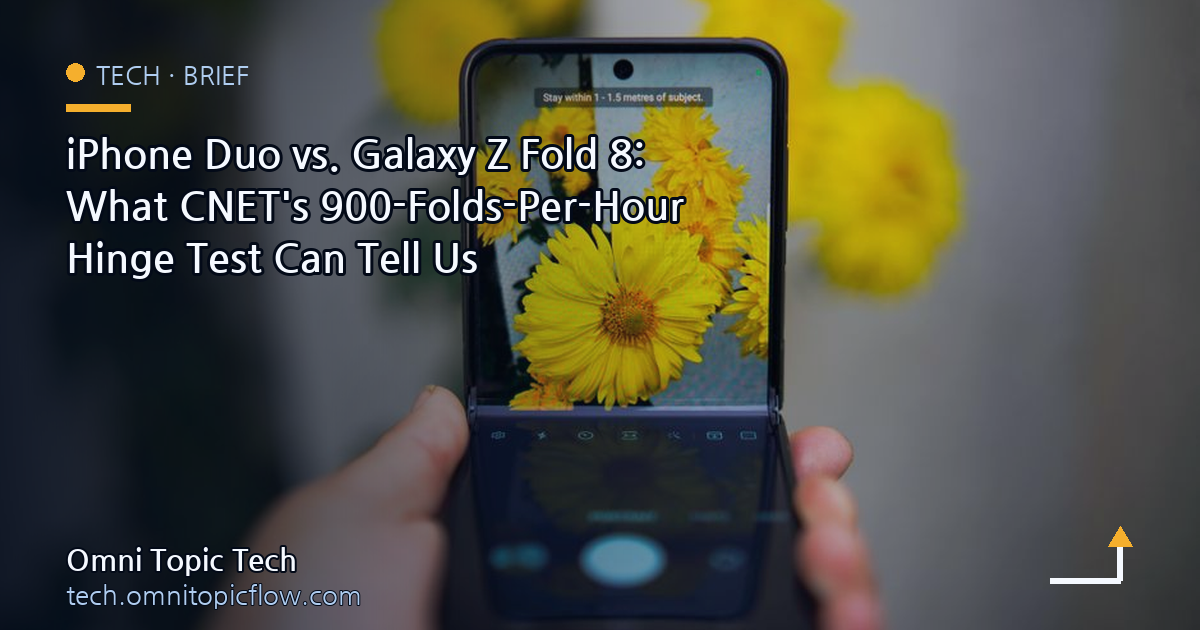
CNET has loaded Apple's iPhone Duo into a custom-built foldable test machine that opens and closes the phone 900 times an hour. The goal is to see how the hinge holds up, with Samsung's Galaxy Z Fold 8 as the benchmark. Results have not been published yet, but the setup already says a lot about how foldables get judged.
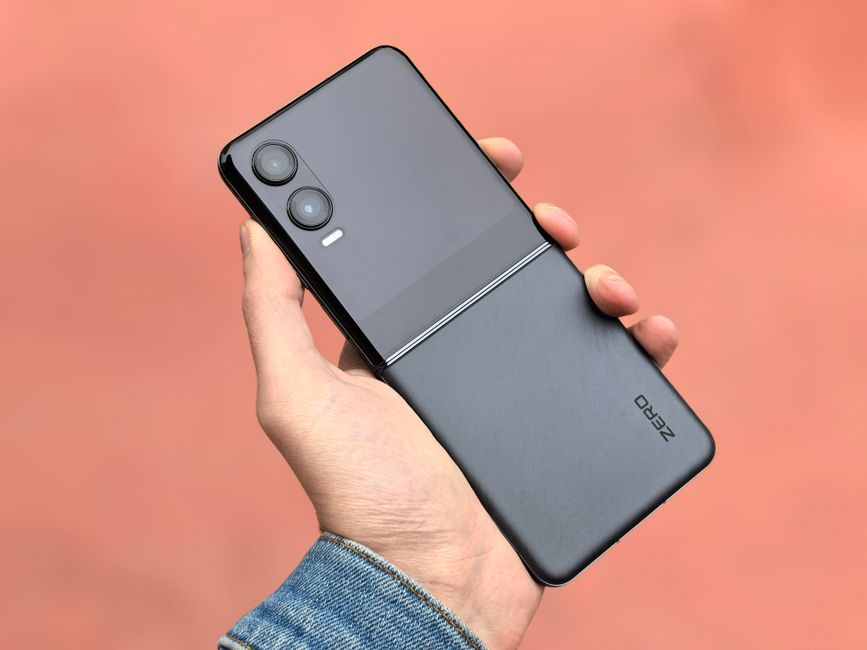
CNET has put Apple's iPhone Duo into a custom-made foldable phone test machine. The rig folds the phone 900 times an hour, and the question is whether the hinge survives and how it compares with the Galaxy Z Fold 8. No results have been released yet.
What 900 folds an hour actually means
The number sounds abstract, so here is the arithmetic. At 900 folds an hour, a machine running around the clock logs 21,600 folds a day. Samsung has cited 200,000-fold durability testing for earlier Galaxy Z Fold models, and reaching that figure on this rig would take roughly nine days of nonstop folding.
For a human user, 200,000 folds is a lot. Someone who opens and closes a foldable 100 times a day would need more than five years to get there. A machine test compresses years of hinge wear into a week or two, which is the whole point.
Why the hinge is the part to watch
Foldables have always had two weak points: the flexible screen and the hinge that carries it. Early Galaxy Fold units in 2019 showed how badly this can go. Some review units suffered screen damage, and Samsung delayed the launch to redesign parts of the phone. Since then, the industry has spent years refining hinge mechanisms, screen protection layers and the gaps where dust can get in.
That history sets the bar. Samsung is judged against its own track record, and Apple, as a newcomer to foldables, is judged against Samsung's refinements. A first-generation hinge facing a mature rival is a harder comparison than a spec sheet can show.
What a machine test can and cannot show
A controlled rig is useful because both phones go through the same motion at the same speed. That gives a like-for-like comparison, which manufacturer claims rarely provide.
There are limits, though.
- A rig usually repeats one clean motion. Real phones deal with pocket lint, grit, temperature swings and one-handed flicks.
- Hinge failure is not one thing. Loosening, creaking, a widening crease and a lifting screen layer are different problems with different effects on daily use.
- Passing a fixed number of folds does not guarantee the screen itself will hold up over the same period.
When the results arrive, the useful details will be what changed and when, not only whether a phone survived.
Why it matters beyond this one comparison
For buyers, durability is the biggest unknown in foldables. These phones tend to cost more to repair than a standard slab phone, so a weak hinge becomes a maintenance cost, not just an annoyance. Independent testing gives shoppers something to weigh against marketing claims.
For the industry, an Apple foldable would put real pressure on Samsung's long lead in the category. Apple has a very large installed base, so even a modest share of iPhone owners switching to a folding model could change how the market is sized. That is an inference from Apple's scale, not a confirmed forecast. If the iPhone Duo's hinge performs close to the Galaxy Z Fold 8 in a head-to-head, it removes one of the main reasons cautious buyers have stayed away from foldables.
For other manufacturers, a third-party test that names Apple and Samsung sets a public reference point. Brands with their own folding phones may find their durability claims compared against it.
What to watch next
Three things will matter when the numbers come in:
1. How many folds each phone completes before the first sign of trouble.
2. Which component shows wear first: hinge, screen crease or protective layer.
3. Whether the gap between the two phones is large enough to matter in everyday use.
Until then, the iPhone Duo's durability is an open question. The test setup is at least a clear, repeatable way to answer it.
Reference: https://www.cnet.com/tech/mobile/iphone-duo-how-we-test-folds/


Comments
Post a Comment
Please read our comment policy before commenting.