Samsung Pyeongtaek Semiconductor Hub: Why AI Memory Demand Is Driving a Fourth Fab
Samsung is building a massive semiconductor manufacturing complex in Pyeongtaek, South Korea, aimed at the memory chips that generative AI hardware depends on. Three fabs there already run around the clock, and a fourth is coming online. The reason is simple: modern AI GPUs are only as useful as the stacked memory sitting next to them.
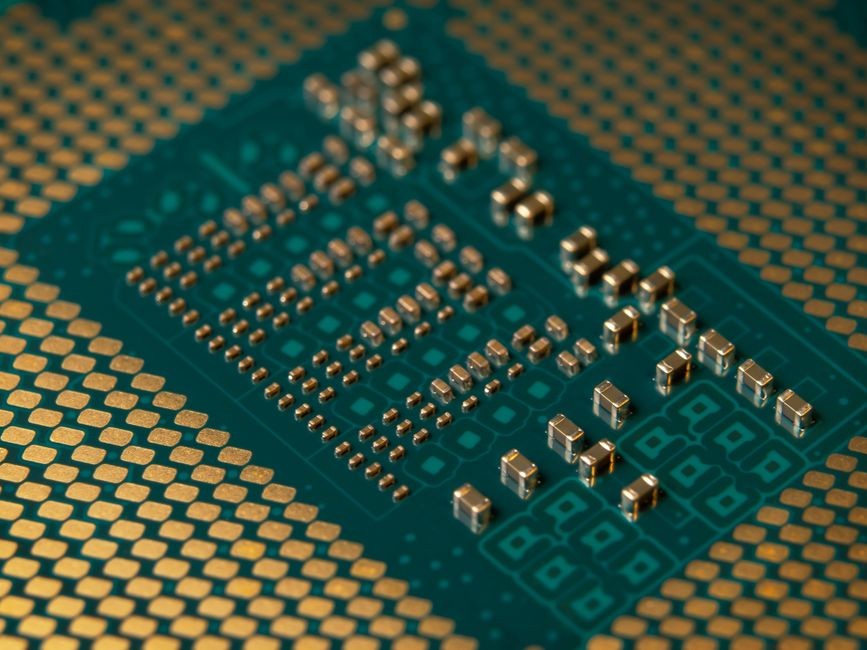
Samsung is expanding its Pyeongtaek campus in South Korea, and the scale of the site says a lot about where the chip industry's bottleneck has moved. Three fabs already operate around the clock. A fourth is coming online.
Why a GPU needs a memory factory behind it
Generative AI models run on GPUs, but a GPU does not work alone. It is packaged with stacks of specialized memory chips, known as high-bandwidth memory (HBM), that feed it data fast enough to keep the processor busy.
HBM is built by stacking several DRAM dies vertically. It is generally considered harder to manufacture than conventional DRAM and consumes more wafer capacity per unit of memory. That is why growth in AI servers translates into pressure on memory fabs, not just on the foundries that make the processors.
What Pyeongtaek tells us
Samsung's Pyeongtaek campus has been expanding in stages since its first line began operating in 2017. Fabs running around the clock suggest existing capacity is heavily used. Adding a fourth fab points to demand that Samsung expects to last long enough to justify the capital spending.
What has not been disclosed is the exact product split across those fabs. A new building does not automatically mean more HBM, because the same site can serve different memory products. Readers should be wary of drawing a straight line from construction to market share.
The competitive picture
Samsung is one of three major DRAM makers, alongside SK hynix and Micron. Through 2024 and 2025, SK hynix was widely seen as the leader in HBM supplied to Nvidia's accelerators, while Samsung was described as working to catch up on qualification. Capacity alone does not close that gap. Customers need to certify the memory for performance, heat and reliability, and yield on stacked chips matters as much as floor space.
Still, scale is an advantage if the qualification hurdles are cleared. A manufacturer with more cleanroom space and an established campus can move faster when a customer asks for higher volumes. That is the bet Pyeongtaek appears to represent.
Who feels the effects
AI companies and cloud providers. GPU supply is tied to memory supply. More HBM capacity across the industry could ease shortages and rental prices over time, although the delay between a fab opening and meaningful output is long.
Equipment and materials suppliers. Each new fab means orders for tools, chemicals and packaging services. Korean and global suppliers benefit when memory makers expand together, and they are exposed if spending is cut back.
Consumers and device makers. Memory makers weigh HBM against conventional DRAM when allocating wafers. If more lines shift to higher-margin AI memory, supply of standard DRAM for phones and PCs could tighten. This is a plausible scenario, not a certainty, and new fabs could offset it.
The risk side of a building boom
Memory has a history of boom-and-bust cycles. Capacity added at the top of a cycle can arrive just as demand cools, and prices fall. AI demand looks different from past drivers because it is tied to data center buildouts, but those depend on customers' willingness to keep spending. A fourth fab is a long-term commitment made in a market that can change faster than construction schedules.
Takeaway
Pyeongtaek shows that the AI hardware race is being fought as much in memory fabs as in GPU design. Watch three things: when the fourth fab reaches meaningful output, what it produces, and whether Samsung's memory wins approval from the biggest AI accelerator makers.


Comments
Post a Comment
Please read our comment policy before commenting.